
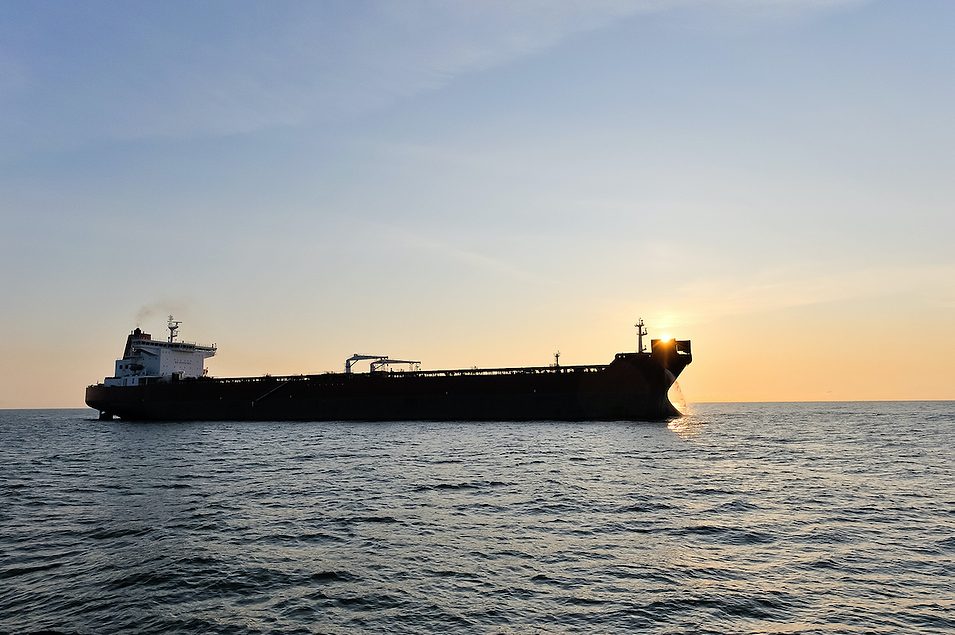
Several Asian countries are pushing the U.S. Treasury Department to renew a sanctions waiver allowing them to purchase Russian crude, according to people familiar with the matter.
India and the Philippines are among countries urging the U.S. to renew the sanctions reprieve on Russian oil that is already loaded on tankers, said the people, who asked not to be identified to discuss private conversations. The current 30-day waiver is set to expire on April 11.
The pressure campaign pits two sides against each other: European allies who are pushing to limit any financial benefit to Russian President Vladimir Putin as his forces press the fight in Ukraine, and Asian nations grappling with energy shortages from the war with Iran.
The Philippines ambassador to the U.S., Jose Manuel G. Romualdez, described the effort to extend the Russian oil sanctions waiver as a “work in progress.”
An Indian delegation in Washington is also pushing for a renewal of a waiver on Iranian crude set to expire later this month, and an expansion of an exemption for Russian liquefied natural gas, one of the people said.
The last-minute push aims to nudge the Trump administration to pull the limited levers it has to make oil supplies more available as governments around the world try to contain a surge in global energy prices — and confront limited supplies — as a result of the war. Oil markets have been extremely turbulent since the U.S. and Israel launched their military campaign, and prices remain more than 30% above pre-conflict levels.
A White House spokesperson declined to comment. The Treasury Department didn’t immediately respond to a request for comment.
An Indian government official said New Delhi was hopeful that the U.S. will extend the waiver, but denied the country was lobbying to seek an exemption. The official acknowledged that India has been buying a large volume of Russian oil.
The official said that Indian Foreign Secretary Vikram Misri’s visit to Washington this week to meet with Trump administration officials, including Secretary of State Marco Rubio, was not related to seeking a waiver on Russian oil purchases. India’s Ministry of External Affairs didn’t respond to a request for comment.
The waivers have prompted criticism from European allies and members of Congress who say that the U.S. is allowing adversaries to profit from its effort to increase global oil supply. Treasury Secretary Scott Bessent has called the move a “deliberate short-term measure.”
Brent crude has soared since the Iran war began, driving up consumer energy prices, including gasoline in the U.S.
A ceasefire deal between the U.S. and Iran announced earlier this week called for the re-opening of the Strait of Hormuz, the world’s most important energy-shipping channel. Iran’s move to close the strait has choked the flow of a fifth of the world’s oil.