
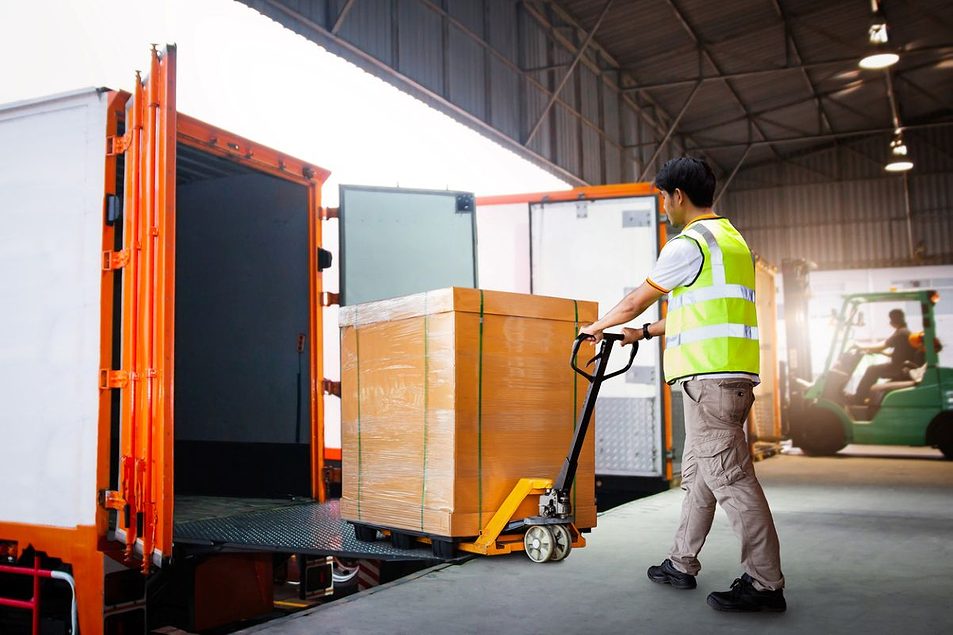
According to SONAR’s National Truckload Index, spot rates have reached new daily highs of around $3.22 a mile, the highest since March, 2022, and after relative stability in 2024 and 2025. In the fresh produce industry, this recent rise signals a supply chain shift that directly impacts how food moves from field to shelf.
On one hand, fresh produce is partially responsible for these increases. It’s no coincidence that prices are spiking as the season begins to really take hold. While produce is delivered year round, its busiest season in the U.S. kicks off around mid-April, as more crops mature and demand rises. Add the ongoing uncertainty around tariffs and the growing demand for local and U.S.-grown produce as a result, and we can begin to see why spot rates are under pressure. However, there’s far more happening behind the scenes.
Consider what’s being shipped. Aside from fresh produce, you might be surprised to learn that artificial intelligence is adding to the strain. Tech titans such as Meta are in a race to complete large-scale data centers, and need to transport specialized equipment like servers and cooling systems to their construction sites. In addition to the amount of loads these projects demand, that they often require climate-controlled reefer trucks similar to those used for produce to maintain freshness.
There’s more. For years, the freight industry has been buckling under increased financial pressures, causing smaller carriers to exit the market. Even in just the last few months, a large number of trucking companies, logistics providers and last-mile delivery services have filed for bankruptcy. And for those still in business, they’re feeling labor pains, struggling to hire or retain drivers due to changing immigration policy that’s limiting the available talent.
Another factor is the higher cost of fuel. The national fuel surcharge is rising across all equipment types, and in some cases, is double or triple what it was last year. As fuel gets more expensive, carriers become selective and prioritize expensive loads, further tightening capacity.
On the cost side, rising spot rates directly increase landed cost, the total cost of getting a product from origin to the customer. When transportation is more expensive, margins tighten unless those costs can be passed downstream. This is especially challenging in produce, where pricing is already highly competitive. And, at an operational level, tighter capacity means less flexibility, so it’s more difficult to secure trucks on short notice, increasing the risk of delays, missed pickups or spoilage.
However, there is a strategic upside, one that rewards distributors with strong relationships and planning discipline. Companies that invest in consistent carrier partnerships, forecast demand accurately, and lock in contract capacity where possible will be better positioned to manage volatility.
For the fresh produce industry, success will ultimately depend on shifting from a reactive to a proactive transportation strategy. Following are a few things wholesale distributors can do to reduce friction:
Forecast better. Planning ahead will always be the most effective way to avoid costly fixes in-the-moment. By comparing demand forecasts with harvest schedules, you can help plan freight days in advance, versus hours.
Improve load efficiency. Fresh produce can require short lead times and tight turnarounds due to the perishable nature of these commodities, but finding ways to consolidate shipments versus partial loads, or maximizing pallet utilization, can help stabilize costs.
Reduce docking and load times. Carriers factor in wait times when pricing loads, so ensuring fast turnarounds at your facility, such as better dock scheduling or extended receiving hours, can make a big difference.
Consider lane-specific or seasonal surcharges. If you need ways to absorb the extra cost but want to avoid sudden, across-the-board price hikes that can hurt customer relationships, consider lane or seasonal surcharges for specific regions and peak periods. These options offer transparency and eliminate the element of surprise.
Source local. When added cost gets baked into the entire supply chain, try to get ahead of increased spot pricing by limiting transportation up front, and source from growers that are in your backyard.
Spot sourcing will always be a reality in the fresh produce industry, but it doesn’t have to be a budget-breaker either. With smart planning, distributors can prepare themselves to ride the wave of rising costs.
Bill Loupée is chief operating officer with Ben B. Schwartz & Sons.