
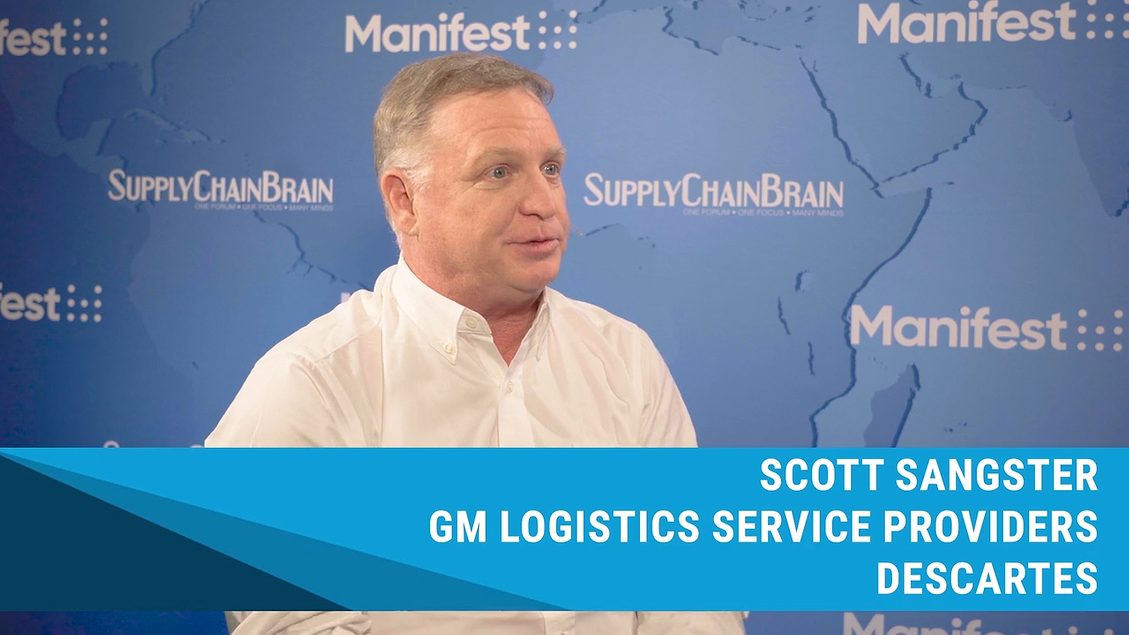
Tariff changes are reshaping cross-border logistics, and have a growing impact on air cargo operations, says Scott Sangster, general manager of logistics service providers at Descartes.
Elimination of the de minimis rule that permitted tax- and tariff-free imports valued at $800 or less has certainly changed how goods flow, Sangster says. “Entry to the U.S. requires a great deal more data, content preparation and evaluation by participants in the chain, whether that’s customs brokers, freight forwarders or airlines.”
Accuracy in data is essential. If anything, he says, the movement of data is as important as the movement of goods for the timeliness and delivery of goods today. “And it’s really forced a better collaboration between shippers, importers, customs brokers, freight forwarders and the air carriers than ever before, to make sure that all of the necessary data has been validated and is available for submission prior to the goods leaving an export country.”
If clean data isn’t available, goods are held up, which adds costs to an e-commerce environment where timeliness is critical.
Shippers are exploring alternatives to eliminate documentation costs per individual shipment. Sangster says, “They might bring over larger shipments and then release them as a single higher-level entry as opposed to the individual one-on-one shipments, thereby reducing the filing cost per shipment as they enter the country.”
Among other benefits of the new approach, he says, is greater collaboration, transparency and visibility among the parties involved. “The way they’re managing the supply chain is a differentiator in many cases,” he says. “It’s not just about who can do it cheapest and fastest anymore. It’s become who’s the reliable party delivering a good quality service to the customers. And that requires a more direct relationship with shippers and importers.”