
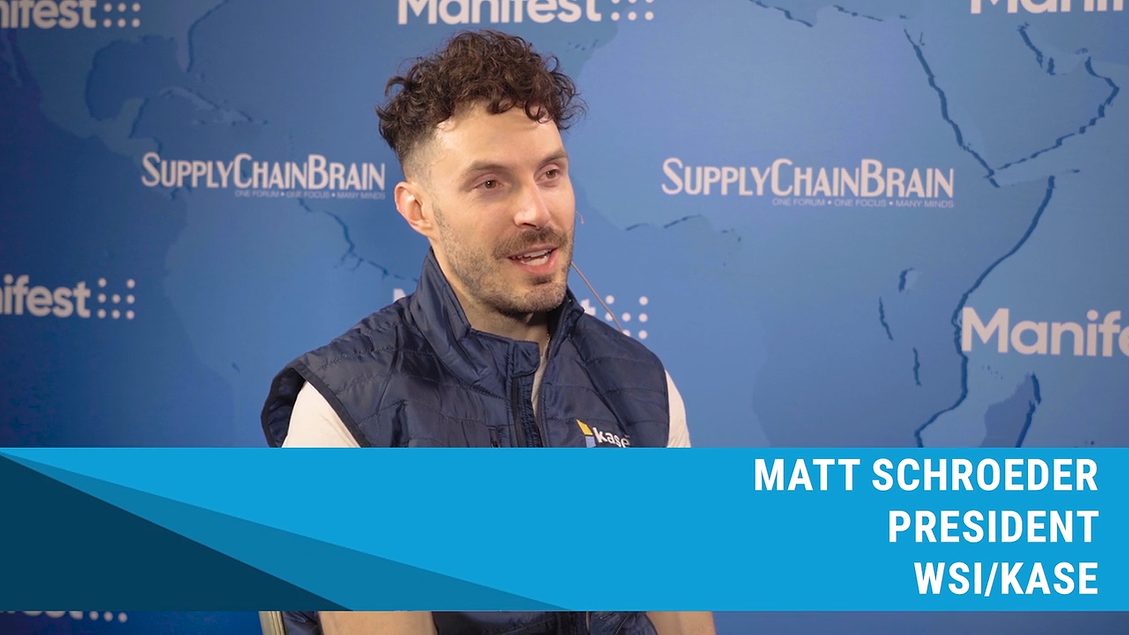
If nearshoring and regional strategies are to work properly, companies need to have resilient and flexible supply chains, says Matt Schroeder, president of WSI/Kase.
Every operator’s want list contains “flexibility” and “resiliency,” but they’re not cheap to achieve, says Schroeder. “The question is, can you get it, and at what cost?”
Increased inventory and opening multiple locations each carry price tags, but the answer isn’t to simply not engage, or refrain from new initiatives, he says. “All those sorts of things require a balance. We’ve seen a lot of people who have been more cost-conscious lately, and sometimes that can come at the expense of resiliency and flexibility. It really is kind of finding that right path for you.”
As an example of the balance needed, Schroeder says, a company might decide it needs to boost inventory by 20% to 30%. “All of a sudden, you start to add that to your balance sheet. That’s working capital to chew. Now you’ve got more inventory on your balance sheet, a lot more assets. People don’t always think about, ‘I’m going to make this move, but it’s going to chew a lot of cash.’”
Saving money has a number of companies considering nearshoring, especially in today’s high-tariff environment. But it isn’t right for everybody. “How efficient is your manufacturing processes, how efficiently can you find a manufacturer?” asks Schroeder. “Another important thing people don’t often consider is, how critical is speed? If speed is paramount for you and for your customer base, nearshoring has a lot of benefits. You don’t have weeks on the water coming from Asia or other places.”
In addition, labor-intensive operations must determine whether they can find a sufficient workforce if they move. And what if a large number of customers aren’t located in the U.S.? Asks Schroeder: “Where is your customer base?”