
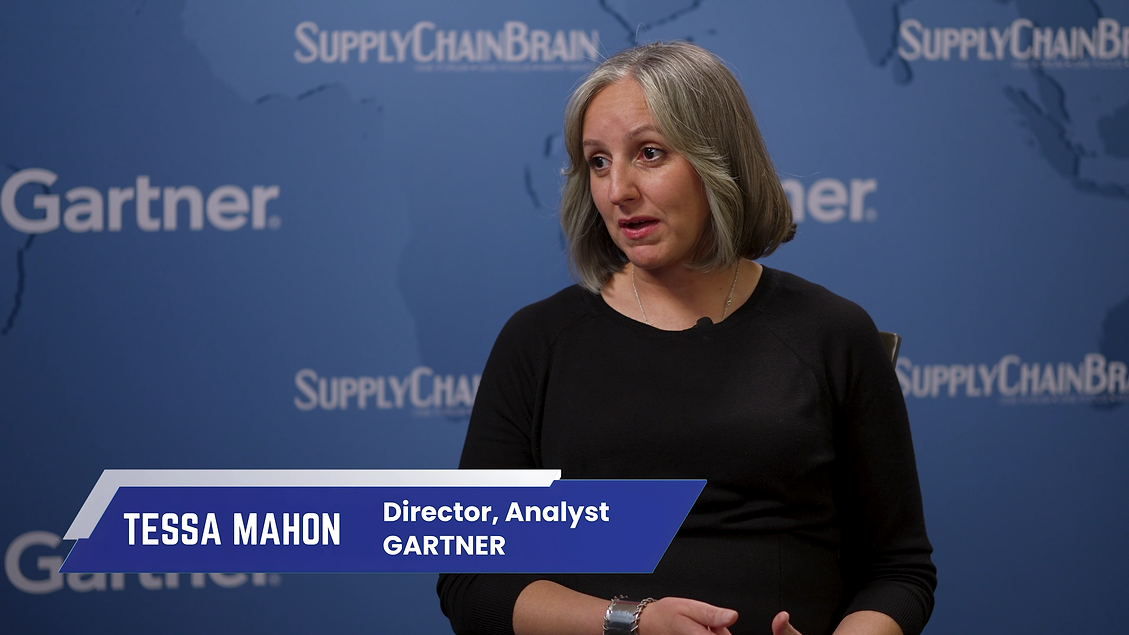
Tessa Mahon, director analyst at Gartner, explains why companies struggle to build scenario-planning capability.
Companies often get scenario planning wrong because they focus exclusively on the required technical skills, Mahon says. “They forget about everything else that incorporates building scenario-planning capability — governance, planning and resources.”
The governance aspect is especially crucial. Organizations need to settle on which scenarios are worth planning for, versus those that aren’t important enough to take up time and resources. It’s a matter of understanding who makes the final call, and who will lead and govern the underlying process. “That tends to get missed,” Mahon says, “because companies tend to think about the solution only.”
Functional silos within the organization make it difficult to collaborate, but decision-making governance is the true key to building a successful scenario planning capability, she says. It all needs to be aligned with sales and operations planning as well as with execution.
One of the most important aspects of effective scenario planning is the creation of a playbook that lays who will make the key decisions, as well as how and when. It’s essential that the process becomes “repeatable, without getting bogged down in complexity,” Mahon says.
External supply chain partners must also be brought into the process, feeding the appropriate data and feedback into the business’s decision-making framework, she says.