
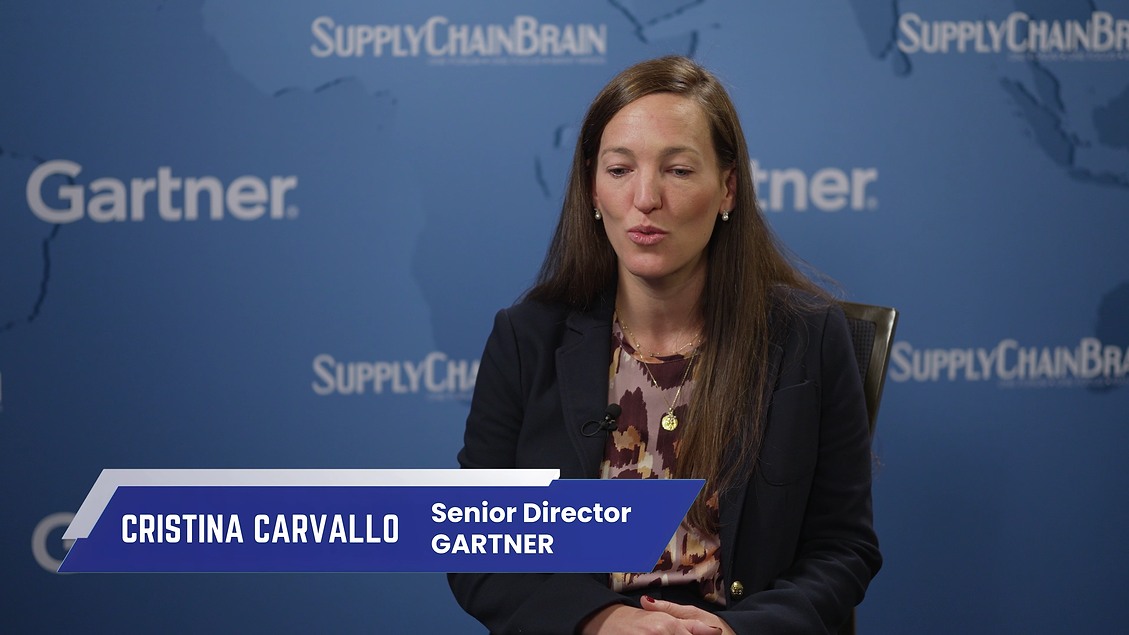
Cristina Carvallo, senior director analyst with Gartner, offers advice on how organizations can build a collaborative planning effort that unites all elements of the function.
It’s a tough challenge for planners these days, as they struggle to assemble all of the pieces of the planning function, which historically have been organized in silos managed by teams “who don’t talk to each other,” Carvallo says.
Organizations today are striving to create wider roles for planners, rather than splitting the decision-making among multiple experts on discrete parts of the effort. A single manufacturing facility, for example, might have separate planners for production, materials and replenishment. The hope is to be able to bring all of those roles together into one planner.
Even where total consolidation of responsibilities isn’t feasible, the different areas of expertise “need to connect better,” Carvallo says. Ultimately, it all gets reported up to a planning leader, who in turn can advise the C-suite. The goal is to achieve an “integrated vision and strategy for planning” across the organization.
Carvallo says planners today don’t look to create a single, unchangeable plan. They understand the reality of doing business in a volatile environment, and acknowledge the inevitability of disruptions. First, she says, they need to be able to track events so as to obtain early signals of any changes. Then, they must assess the impact of the event in question. Finally, they should be able to gather the appropriate stakeholders and decision-makers, who can analyze any given situation and act accordingly. It’s called “decision-centric” planning, Carvallo says — “the evolution of how we think about planning in the future.” It’s a world in which “we’re always orchestrating decisions.”